My Blog
Navigating the Perils of Facebook Marketplace
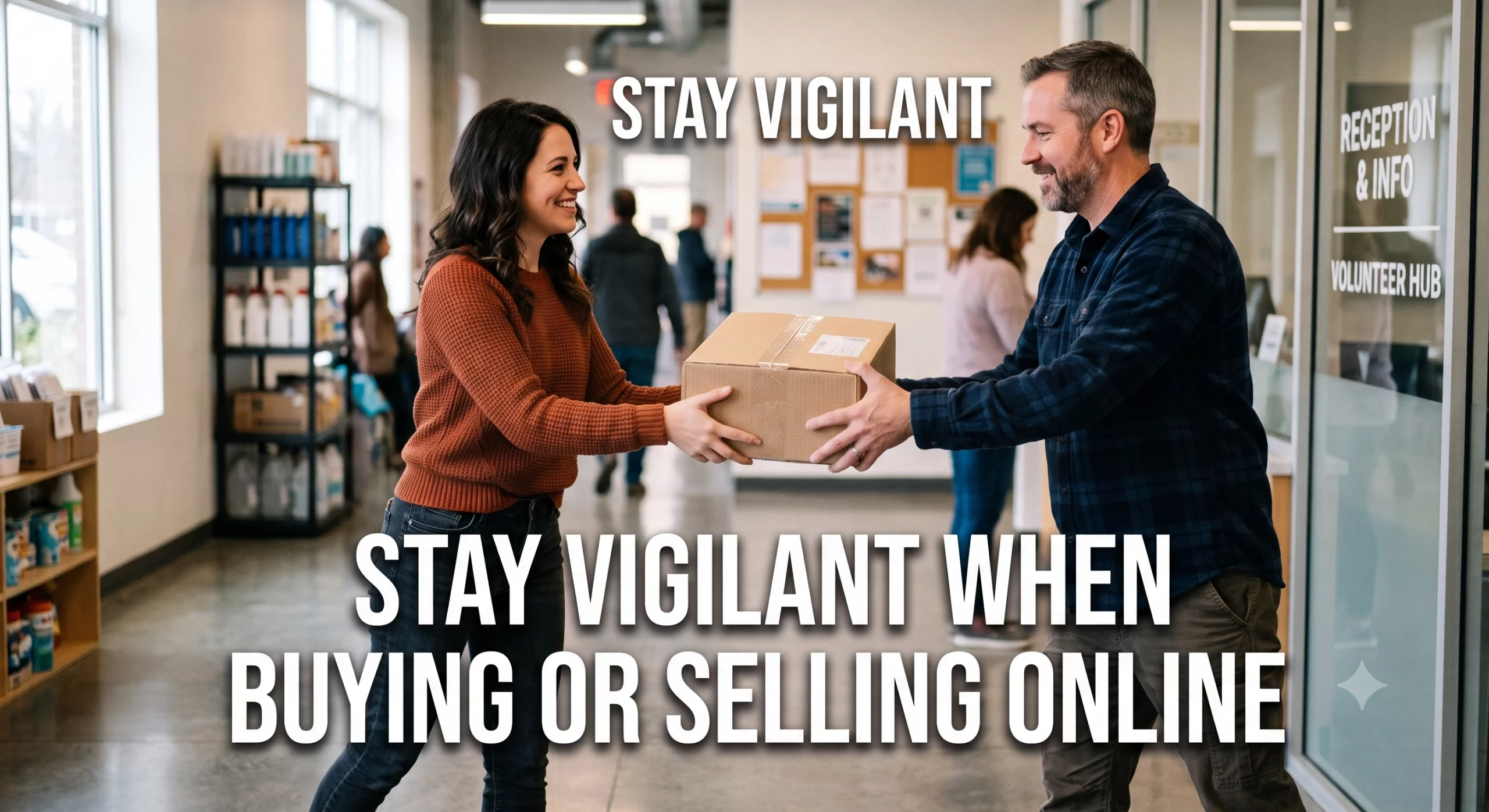
Navigating the Perils of Facebook Marketplace
Time to Declutter
After a couple of years of reviewing various products, a mountain of gear began to clutter the house. Because many of these items were brand new and completely unused, the mission became clear: give some away to relatives who needed them, and sell the rest on Facebook Marketplace.
The Posting Process
To keep this venture separate from any personal accounts, the user established a dedicated page named Jiffy Sales Ottawa. This centralized inventory management, kept the sales off the personal profile, and allowed multiple people to post listings.
Admittedly, creating the listings can feel tedious and time-consuming. To its credit, Facebook provides essential fields that cover a massive variety of products. Once the ads go live, however, installing Facebook Messenger is mandatory to handle the incoming wave of buyers.
When Buyers Make Contact
To separate business from personal life, the user configured the Jiffy Sales Ottawa Messenger account with a unique audio notification. While this system usually works well, some buyers apparently believe that 1:00 AM or 2:00 AM is the prime time to shop. After multiple late-night disruptions, the user had to enforce strict "Do Not Disturb" hours on the phone.
Then come the lowballers. Despite bold text stating that the price is firm and a clear disclaimer that lowball offers will get no response, people constantly submit ridiculous offers for less than half the asking price. These buyers almost certainly want to snag the item for next to nothing just to flip it for a profit.
Sifting Through the Scammers
Initially, marketplace dynamics were unpredictable. Early on, several accounts offered to buy items instantly and demanded banking information to send an e-transfer ahead of time. Whenever the user replied that the e-transfer could happen face-to-face during pickup, the conversation abruptly died.
The Golden Rule: The user exclusively conducts transactions as "door pickup" at the residence, backed by multiple security cameras recording every angle.
While many great buyers show up with cash or complete a legitimate e-transfer on-site, a massive red flag quickly emerged: buyers who grab the item, make a rushed exchange, and flee without inspecting the goods. Every single time a buyer skipped an inspection, they returned claiming there was a problem.
Case Study 1: The Thumb on the Dongle
One buyer grabbed a new, factory-sealed $20 item and left immediately without checking it. Within minutes, a Facebook message arrived claiming parts were missing. The buyer sent a photo of a dongle, claiming it failed to fit his upgraded iPhone. However, he strategically placed his thumb over the USB-C connector in the photo to hide the truth.
The user explained that the device absolutely fit that model and suggested a bulky phone case might be blocking the plug. The user even noted that an identical personal unit worked perfectly with an Android device. For weeks, the buyer pestered the user for a full or partial refund to cover "adapters". The moment the user demanded a clear photo of the dongle without a thumb blocking the connector, the scammer vanished.
Case Study 2: The Midnight "Digital Creator" & The Police
Just last night, a buyer inquired about a dog anti-bark collar. After confirming it fit large dogs and that e-transfers were acceptable, the excuses began. She claimed her phone was nearly dead and lacked data, so she would send the e-transfer from home and drive over. She sent a screenshot of a "completed" transfer and repeatedly texted asking if it arrived. The answer was no.
When she arrived, the user's wife went outside to meet her. The buyer insisted the money went through, showed another screenshot, and claimed transfers take 30 minutes. She tried to walk away with the item before verification, but the user's wife held her ground, refusing to hand it over without payment. The buyer then actually asked for the household Wi-Fi password to "check the transfer"—a request that was instantly denied.
After waiting in vain for the funds, the user's wife headed back inside, telling the buyer to return when the money actually hit the account. The buyer drove off, texted that she was canceling the e-transfer, and then texted two minutes later claiming she was getting cash.
She returned, handed $20 through her passenger window, grabbed the item, and refused to inspect it. By the time the user walked up to the second-floor office, the doorbell was ringing furiously.
The buyer stood there with an open box, holding a few pieces, claiming the electronic device itself was completely missing.
The Showdown
To say the user was livid is an understatement. Because the box lacked a cellophane seal, the user had personally opened it beforehand to verify every single component was intact—especially since people had handled it at a yard sale the prior week. The user knew the item was complete and refused to hand back the $20.
The entire transaction screamed "scam" from the start:
- The buyer used the fake-sounding screen name "Nae Nae".
- Her profile listed her as a "Digital Creator".
- She instantly threatened to call the police.
The user gladly welcomed the authorities. When the police arrived, the user and his wife walked them through the timeline and showed them the Ring camera footage. The officers immediately spotted the exact same discrepancies.
The scam completely unraveled:
- The Bank Test: One officer, who used the exact same bank as the buyer, initiated a $20 test e-transfer on the spot. It went through in seconds, completely debunking her 30-minute delay excuse.
- The Inspection Failure: Her refusal to open the box upon handover severely damaged her credibility with the officers.
- The Profile Lie: She claimed the user deleted the Facebook profile the moment she drove away. In reality, the user had simply blocked her account to cut off a scammer, rendering the profile inaccessible to her.
- The Final Audacity: The buyer even tried to force the police to make the user pay for her $3 ATM transaction fee.
Ultimately, the police found absolutely no fault on the user's end and left the buyer facing down her own web of lies.
Essential Facebook Marketplace Red Flags
To stay safe while selling, guard against these common traps:
-
The Delayed E-Transfer & Wi-Fi Request: Scammers claim small e-transfers take 15 to 30 minutes. Realistically, they take under a minute—often arriving within 15 seconds. Never hand over an item based on a screenshot, and never give a buyer your Wi-Fi password. Tech-savvy scammers can use network access to compromise your home computers and personal devices.
- Fabricated Profile Personas: Watch out for obviously fake names designed to prevent tracking by authorities. Scammers frequently use labels like "Content Creator" or "Digital Creator" to manufacture a false sense of authority and gain access to advanced Facebook dashboards. Legitimate creators leave a verifiable digital footprint of their work online.
- The "Hit and Run" Pickup: If a buyer refuses to inspect an item before leaving your sight, be on high alert. They are highly likely to return shortly after claiming the item is broken or missing pieces to extort a refund.
- Lack of Security Measures: Always conduct sales in areas monitored by security cameras. Many cities feature dedicated, police-monitored safe exchange zones specifically for online transactions. Protect yourself by explicitly stating in your listings that all sales are final and lowball offers will be ignored.
Facebook Marketplace is an excellent tool for clearing out inventory, but success hinges on strict protocols. Protect your personal data, secure your home network, and always trust your gut.
Stay safe and stay vigilant.
GP Joa
Latest Blog Posts







0 Comments