About
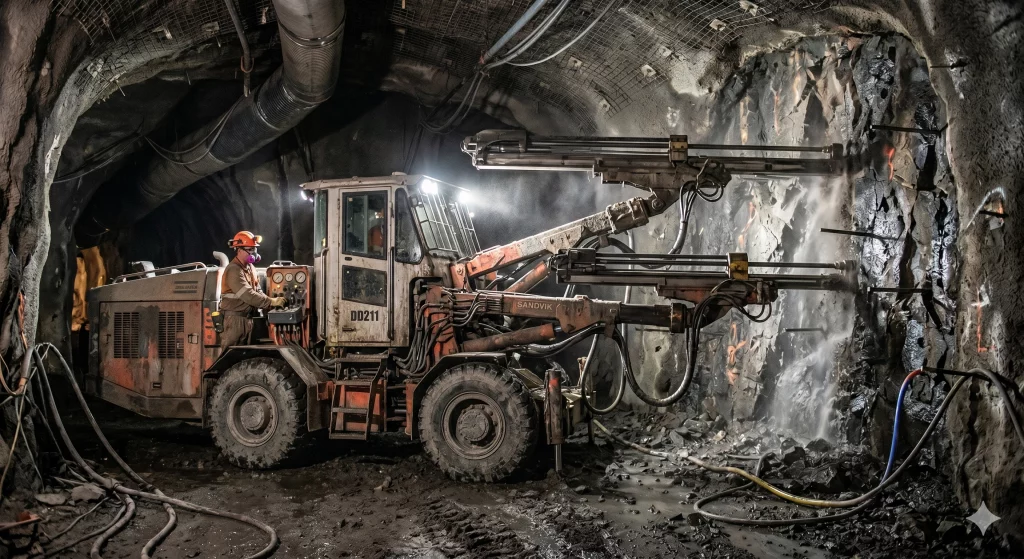
From the Underdark to the Digital Age: My Journey
Growing up in the 1960s and 70s meant witnessing a world completely detached from the hyper-connected reality we live in today. Perspectives were different, life moved at a different pace, and the internet didn't exist. Yet, my fascination with technology sparked early. In grade six, while most of my peers were looking elsewhere, I took my first computer class, feeding simple math problems into a machine using punch cards.
By my twenties, I bought my very first personal computer. By today’s standards, a basic smartwatch boasts vastly more memory and processing power. Eager to save the programs I wrote, I paid a premium for what amounted to a glorified cassette tape recorder. It was primitive, but it worked, allowing me to write code and save it for later. That machine had a whopping 20 KB of memory, which I immediately upgraded to 64 KB the moment the tech became available. Later, when Apple made its way into the region, I drove all the way from Northern Manitoba to Winnipeg just to haul back new gear. I’m fairly certain I was one of the very first people in Thompson to own an Apple Lisa.
Life in the North
Living in Thompson, Manitoba, options outside of work were slim. It was a town of 12,000 people with four main taverns to its name. I started out working for INCO (the International Nickel Company) in the refinery, but the call of the underground was stronger. I transitioned into mining, spending the next 25 years working more than a kilometre beneath the earth.
Mining took me to operations across Canada, including a unforgettable stint in Yellowknife, Northwest Territories. That region redefines the word "cold." I distinctly remember a two-week stretch where the morning television broadcast consistently read -50°C or colder. At that temperature, looking out the window reveals a stark, white haze—the moisture in the air instantly crystallizes into ice. Surviving a shift meant equipping my truck with two engine heaters and a battery blanket. Even then, the engine would groan painfully before roaring to life. The first few blocks of driving required crawling in low gear just to warm up the oil in the differentials and smooth out the literal flat spots frozen into the tires.
The Great Transition
A quarter-century of heavy labor, wear and tear, and multiple injuries eventually took their toll. I reached a point where simply getting through a shift underground was an exercise in pure endurance. The constant physical pain caught up with me. Specialists and doctors made it clear: I loved the job, but I had to walk away. One more severe injury could put me in a wheelchair for life. They advised me to find a sedentary career.
Leveraging the computer knowledge I had quietly built up over the decades, I pulled off an unlikely pivot into the tech sector. I started in technical support and earned several promotions along the way. The corporate tech world is fast-paced, driven by tight deadlines, shifting processes, and the need to pivot at a moment’s notice. By the time my health fully pushed me into retirement, I was the Corporate Customer Care Manager for a major American media company.
To be completely honest, I never truly liked the tech industry. I detested being confined to an office all day. I missed the mines, where you were trusted to do your job with very little supervision, a stark contrast to an office where you are surrounded by people every single minute. But mining had instilled a relentless work ethic in me, so I gave that corporate job 110% every single day, regardless of how much I disliked it.
Evolution and Exploration
Forced into an early retirement, I turned my focus back to my creative passions: photography, web development, and music.
Technology has fundamentally reshaped all three. Photography transitioned entirely to digital, and web development continues to evolve at a breakneck pace. On the musical front, I finally set out to learn guitar and dive into audio production. I’ve always been fascinated by how 1970s bands captured their legendary sounds on vinyl. When I first picked up a guitar, digital tools were poor imitations of the real thing. Today, physical amplifiers have largely given way to incredibly accurate digital emulators like AmpliTube and Neural DSP. You can capture your exact amplifier tones, load them onto a pocket-sized device, plug directly into a house PA system, and get a flawless, consistent sound every single night.
Because of this, I have sold most of my traditional amplifiers. I now practice directly through my computer or via headphones hooked up to my phone. The same shift transformed recording; a laptop and a good pair of headphones are all it takes to mix and master a multitrack album while traveling (though I still recommend a treated room with solid studio monitors for that final, polished mix).
I will be sharing some of my musical recordings right here on this site in the near future. I also plan to keep writing, utilizing the blog section to share ideas, insights, and commentary on current events.
Stay tuned for more to come…
GP Joa